What Is Psilocybin Therapy? What You Need to Know About This Emerging Treatment
Psilocybin therapy is an emerging mental health treatment that combines the use of psilocybin, a naturally occurring compound in certain mushrooms, with structured psychotherapy. This innovative approach is attracting the attention of researchers and mental health professionals.
It's a potential option for conditions that have not responded well to traditional treatments. Psilocybin therapy shows promise for helping people with depression, anxiety, and trauma-related disorders.
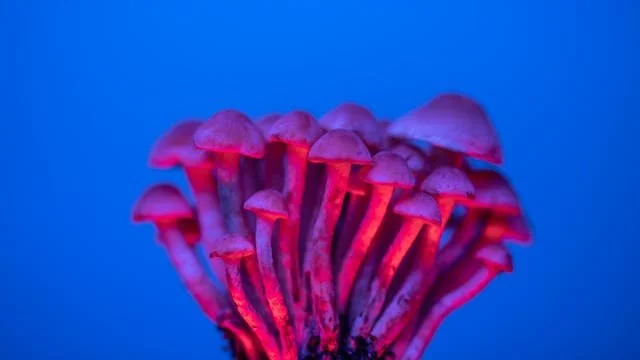
The Science Behind Psilocybin
Psilocybin is a psychedelic substance that affects serotonin receptors in your brain. When you take it in a controlled therapeutic setting, it can alter your perception, mood, and thought patterns. These changes might help you process difficult emotions in new ways.
In therapy sessions, psilocybin creates what researchers call a "window of plasticity." Meaning your brain becomes more flexible and open to new patterns of thinking. Combined with guidance from trained therapists, this state can help you work through challenges that feel overwhelming.
A Look Inside Psilocybin Sessions
The treatment follows a careful structure with three main phases. First, you meet with therapists for preparatory sessions. During these meetings, you discuss your goals while building trust with your treatment team. You'll also learn what to expect during the experience.
Next comes the dosing session itself. You take psilocybin in a calm, comfortable setting, and therapists stay with you throughout the experience. This session typically lasts four to six hours. They provide support and guidance as needed while allowing you to explore your inner experience.
After the dosing session, integration therapy helps you make sense of what happened. These follow-up sessions are crucial. They help you apply insights from the experience to your daily life and ongoing healing.
Why This Treatment Shows Promise
Recent studies show encouraging results for psilocybin therapy in treating specific conditions. Research from major medical institutions is encouraging. They have found that psilocybin may help reduce symptoms of treatment-resistant depression. These effects often last for months. Studies also suggest benefits for anxiety and for trauma-related conditions.
The therapy works differently from traditional antidepressants. Instead of needing daily medication, psilocybin therapy typically involves just one or a few sessions. Many participants report lasting changes in their perspective and emotional well-being.
It's important to understand that this treatment is still experimental. Most research has involved small groups of carefully selected participants under strict medical supervision.
It's Not for Everyone
Psilocybin therapy is not appropriate for everyone. People with certain psychiatric conditions, particularly schizophrenia or psychosis, should not use this treatment. It also carries risks if you take certain medications or have specific medical conditions. Therefore, you must be open and honest with your therapist.
The setting and support matter tremendously. Taking psilocybin outside of a supervised therapeutic environment can be unsafe and won't provide the same benefits. Professional guidance before, during, and after the experience is essential for both safety and effectiveness.
Currently, psilocybin remains illegal in most places for general use. However, some cities and states have decriminalized it. The FDA has also granted "breakthrough therapy" designation for its use in treating depression. This designation speeds up research and review processes.
The Future Landscape of Therapy
Mental health treatment continues to evolve, and emerging approaches offer hope for people who haven't found relief through conventional methods. As research continues, psilocybin therapy may become more widely available for some specific conditions. Clinical trials are ongoing at universities and research centers.
If you're interested in this approach, stay informed. Look for legitimate research opportunities in your area. Be cautious of unregulated sources, as safety and proper therapeutic support are critical components of effective treatment.
If you'd like to explore innovative treatment approaches or discuss whether psilocybin therapy might be right for you, give us a call. We stay current with emerging research and treatment options to provide the best care possible. Psilocybin therapy represents a critical next frontier in personalized, enduring mental health care.